The goal of nutrition is simple: to give our body what it needs to thrive. Here's a quick breakdown of how the nutrients we consume play a vital role in our overall health:
Protein: The Building Blocks of Life
- What it does: Proteins are essential for creating amino acids, cells, antibodies, hormones, and enzymes.
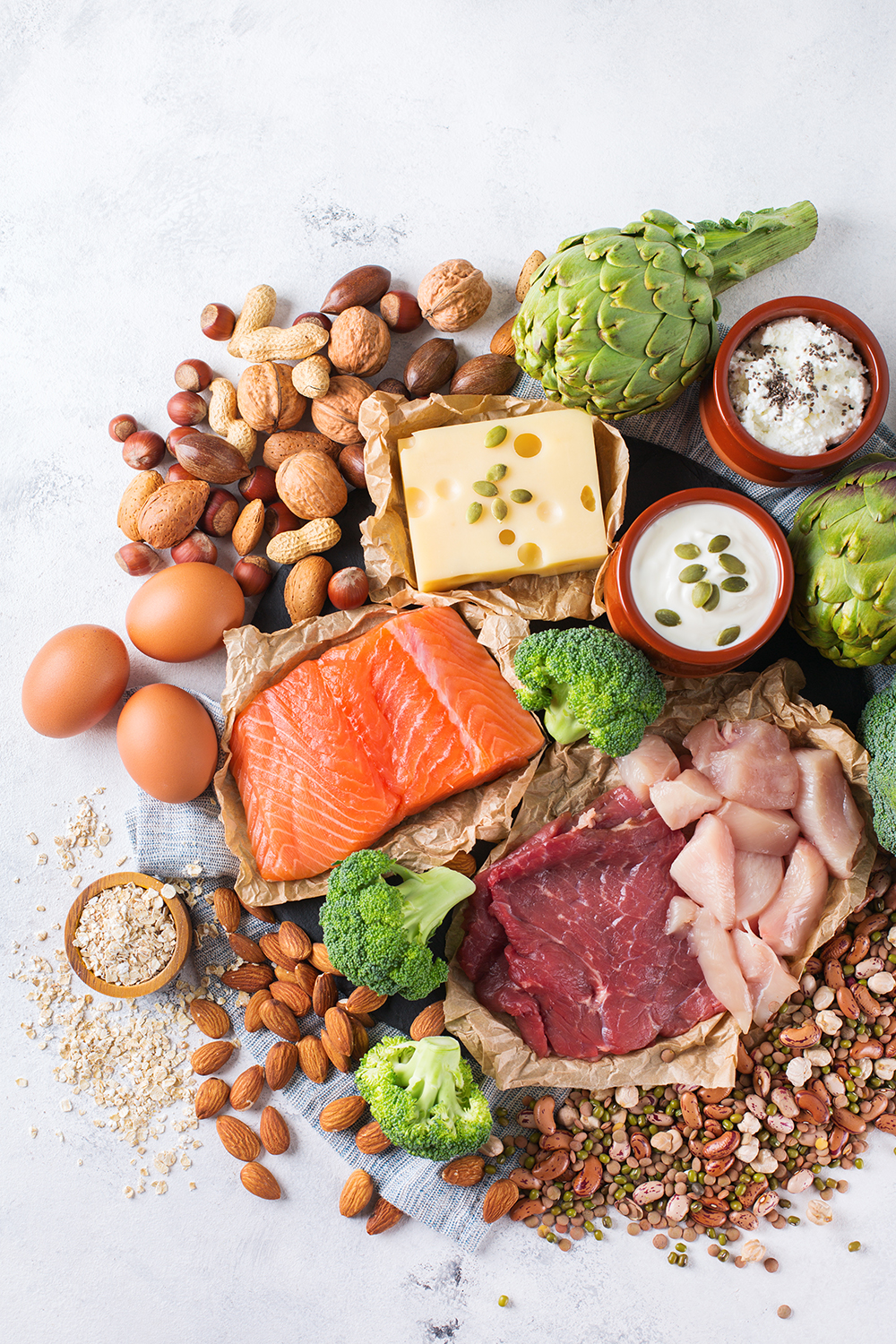
- Good sources: Clean proteins like lean grain-fed meat, fish, beans, nuts, seeds, eggs, soy, and dairy are great choices that fuel the body without guilt.
- Plant-based proteins: Vegetables and fruits contain protein too—don't forget the protein content in your plant-based choices!
- Avoid: Over-processed proteins combined with high-glycemic foods, such as hot dogs or chicken nuggets.
Fat: The Good, the Bad, and the Hazardous
- What it does: Fatty acids are vital for life, helping build nerve coverings and cell walls.
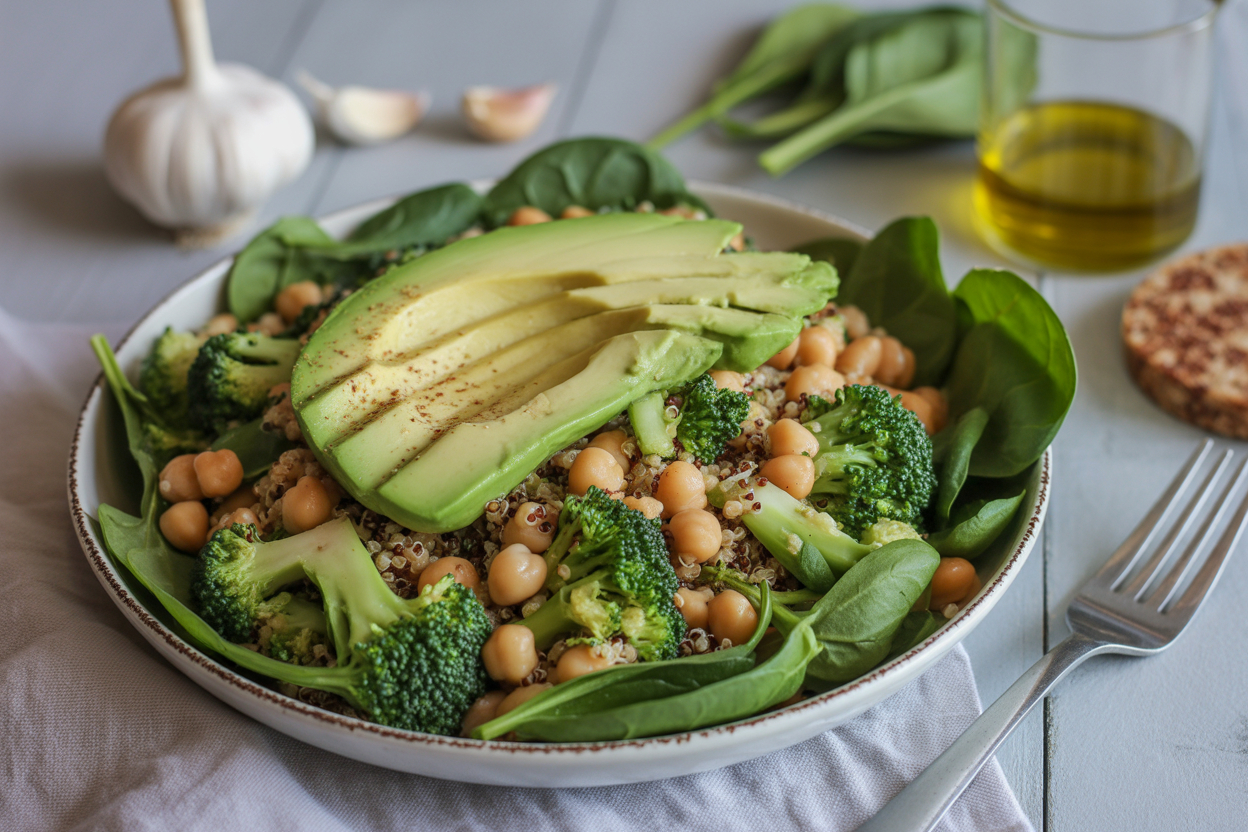
- Good fats: Monounsaturated and polyunsaturated fats from sources like fish, avocado, olive oil, nuts, and seeds are ideal for healthy cells.
- Bad fats: Saturated fats from sources like bacon, ice cream, and palm oil should be minimized.
- Hazardous fats: Trans fats—found in French fries, doughnuts, cakes, and margarine—are best avoided entirely.
Carbs: Energy for Life
- What they do: Carbohydrates provide the energy we need for daily activities like walking, breathing, and sleeping. But not all carbs are created equal.
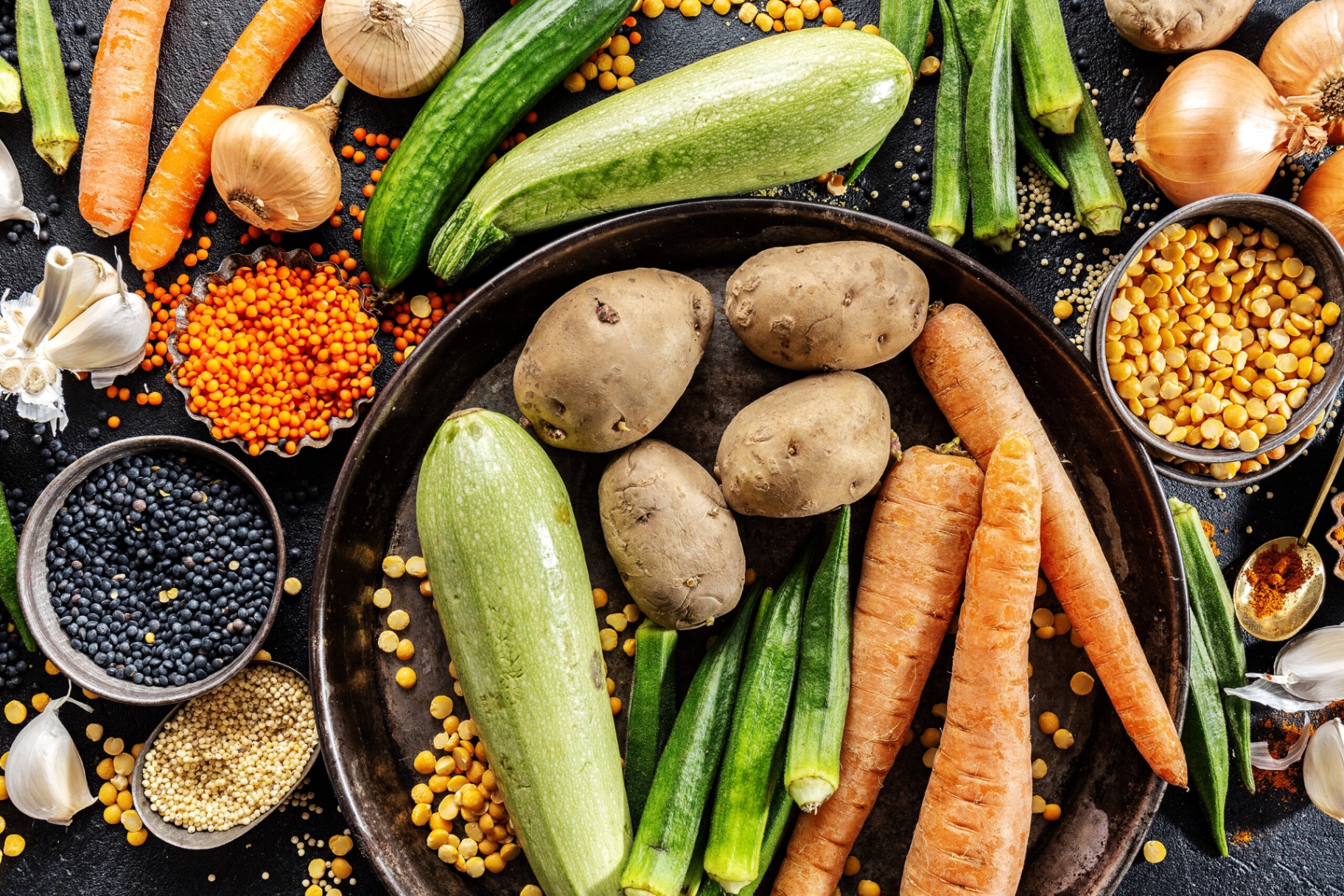
- Best carbs: Vegetables and fruits are the healthiest carbs, rich in nutrients and safe to eat anytime.
- Good carbs: Complex carbs from whole grains like barley, farro, buckwheat, and quinoa are high in fiber and a good option for about 25% of your daily intake.
- Bad carbs: White foods—sugar, white rice, flour, white potatoes, and pasta—spike your insulin and cause inflammation, leading to obesity, diabetes, and fatty liver disease.
Understanding Glycemic Index & Glycemic Load
- Glycemic Index (GI): This measures how much a carbohydrate food increases blood sugar. Aim for a low GI (under 50) to maintain healthy levels.
- Glycemic Load (GL): This factors in portion size to give you a better sense of how food will impact your blood sugar. The goal is to keep your GL under 10.
Foods that Improve Cholesterol, Weight, and Energy
Eating nutrient-rich foods not only fuels your body but also helps prevent chronic diseases. For a balanced, predominantly plant-based diet, focus on:
- Soluble fiber: Beans, chickpeas, carrots, eggplant, and okra.
- Pectin-rich foods: Strawberries, blueberries, citrus fruit, apples, and grapes.
- Whole grains: Oats, barley, flaxseed, lentils, bulgur, and brown rice.
- Nuts: Walnuts, almonds, cashews, pistachios, pecans, and macadamias.
- Dark vegetables: Spinach, kale, broccoli, Brussels sprouts, and red onions.
- Fatty fish: Salmon is a great source of omega-3s.
- Healthy oils: Extra virgin olive oil and avocado oil are best, but use them in moderation.
Avoid: Salt, sugar, added oils, artificial sweeteners, processed foods, and preservatives as much as possible.
The Microbiome: The Key to Gut Health
Your microbiome, the living ecosystem in your gut, plays a huge role in digestion and overall well-being. Keeping it healthy leads to better digestion, mental clarity, and happiness.
- Probiotic-rich foods: Kefir, yogurt, kimchi, kombucha, pickles, sauerkraut, tofu, tempeh, and sourdough all support gut health. Be mindful of which probiotic foods work best for you, as some can cause gas.
- Prebiotic foods: Onions, garlic, leeks, asparagus, beans, and bananas help feed your microbiome.
- Fiber-rich foods: Oats, quinoa, legumes, and barley nourish both you and your gut bacteria.
Listen to Your Body
Pay attention to how food makes you feel. Healthy, nutrient-rich foods are naturally healing. By choosing whole, clean foods, you can enjoy better energy, a healthy weight, restful sleep, and brighter, happier days.